
The Anthropocene Award

EN: The Anthropocene Award - About the Award

Last modified: 24. February 2026

The Anthropocene Award recognizes academics whose work has achieved outstanding impact beyond academia, taking its name from the Anthropocene—the era shaped by human activity, where environmental and social systems are deeply interconnected. The Award highlights contributions that advance both climate resilience and human wellbeing in response to these global challenges. Laureates take the main stage to deliver a lecture, and meet our students, researchers and partners. 

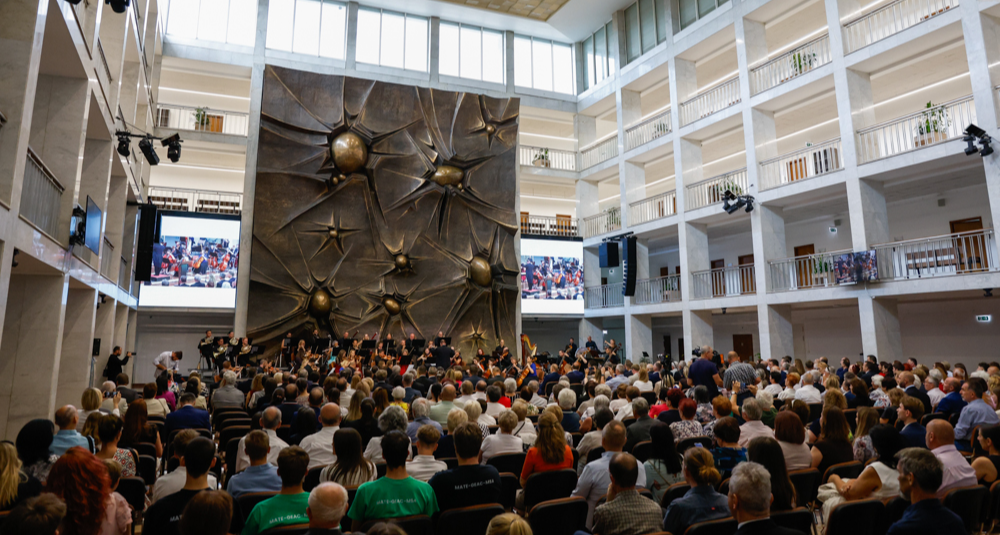
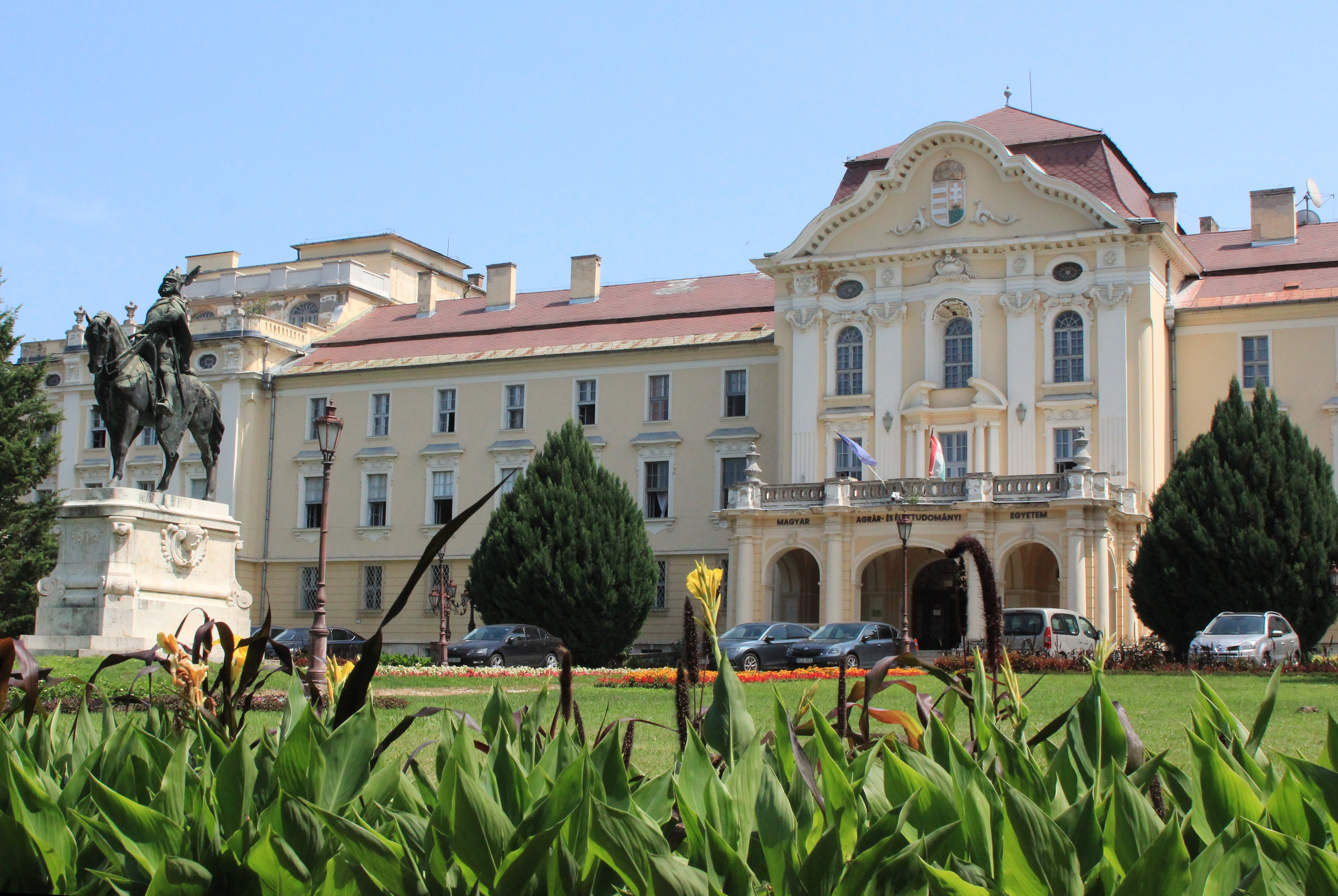
The Award Ceremony will be held at 16:30 on the 12th of March, 2026 in the MATE Aula Building of Szent István Campus, Gödöllő, where the Laureates will introduce themselves and receive the Award from our Rector. The Ceremony will be followed by a dinner. Please register if you wish to attend!

The Laureates will also hold more detailed lectures about their work on the 11th, 12th & 13th of March. Please register your interest here!

Announcing the 2026 Laureates

Lifetime Academic Achievement:

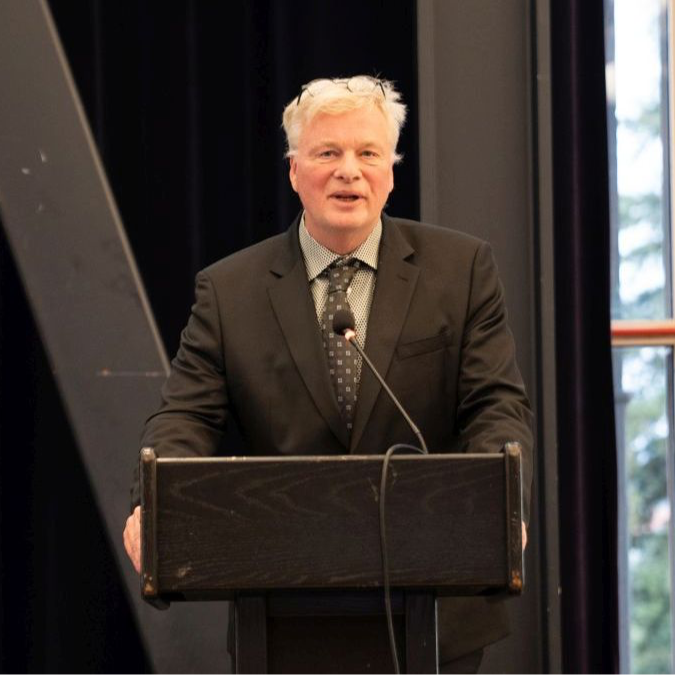
Klaus Butterbach-Bahl

EN: Klaus Butterbach-Bahl

Research Director of Land-CRAFT & Professor at Aarhus University

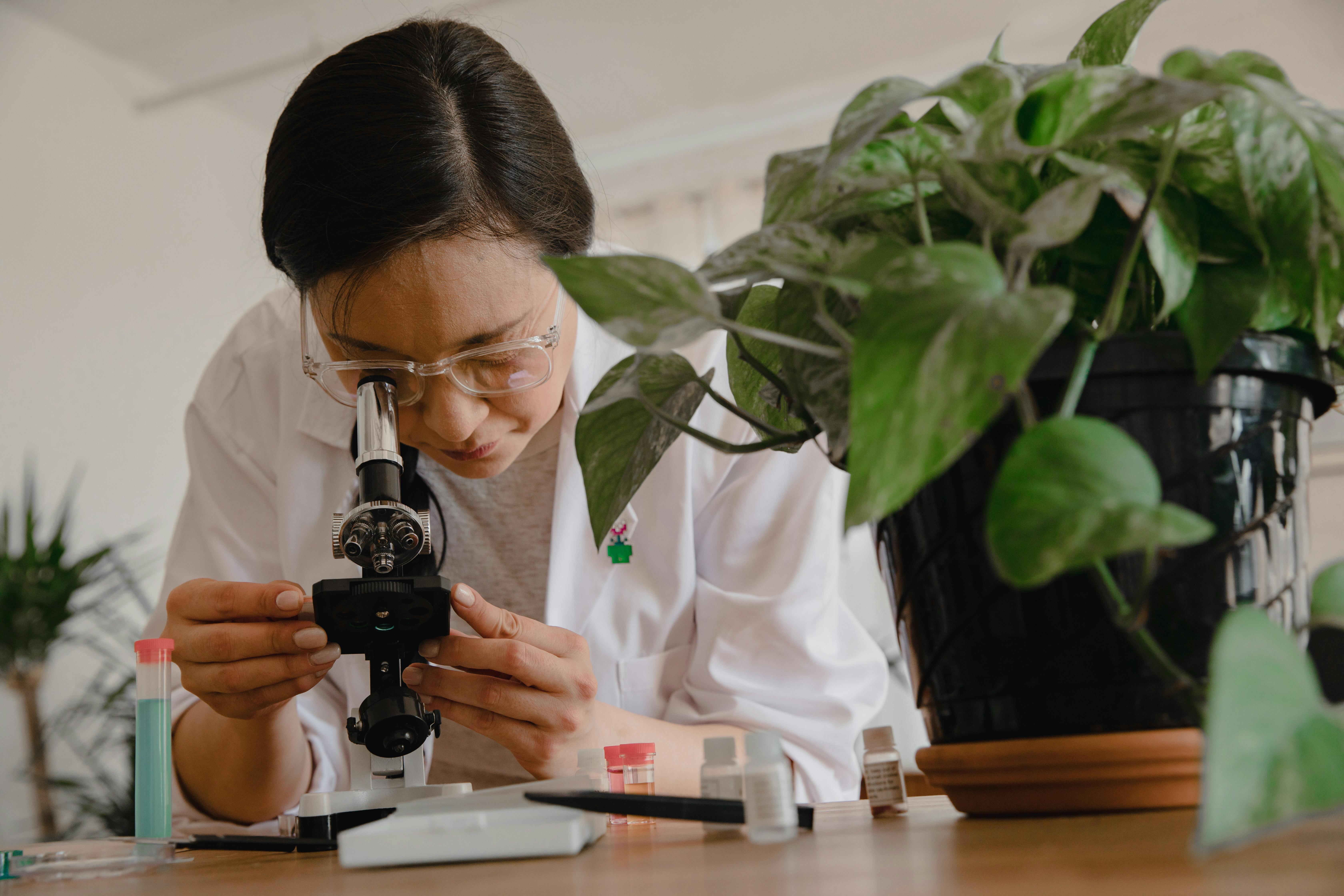
Prof. Butterbach-Bahl is currently serving as Research Director of Land-CRAFT (Center for Landscape Research in Sustainable Agricultural Futures) and Professor at Aarhus University, Denmark. His internationally acclaimed work investigates the interactions between agriculture and natural ecosystems, with particular focus on soil nutrient cycling, sustainable land management that protects water resources, and mitigation of greenhouse gas emissions.

Prof. Butterbach-Bahl was selected by the international jury panel for the Award.

Emerging Academic:

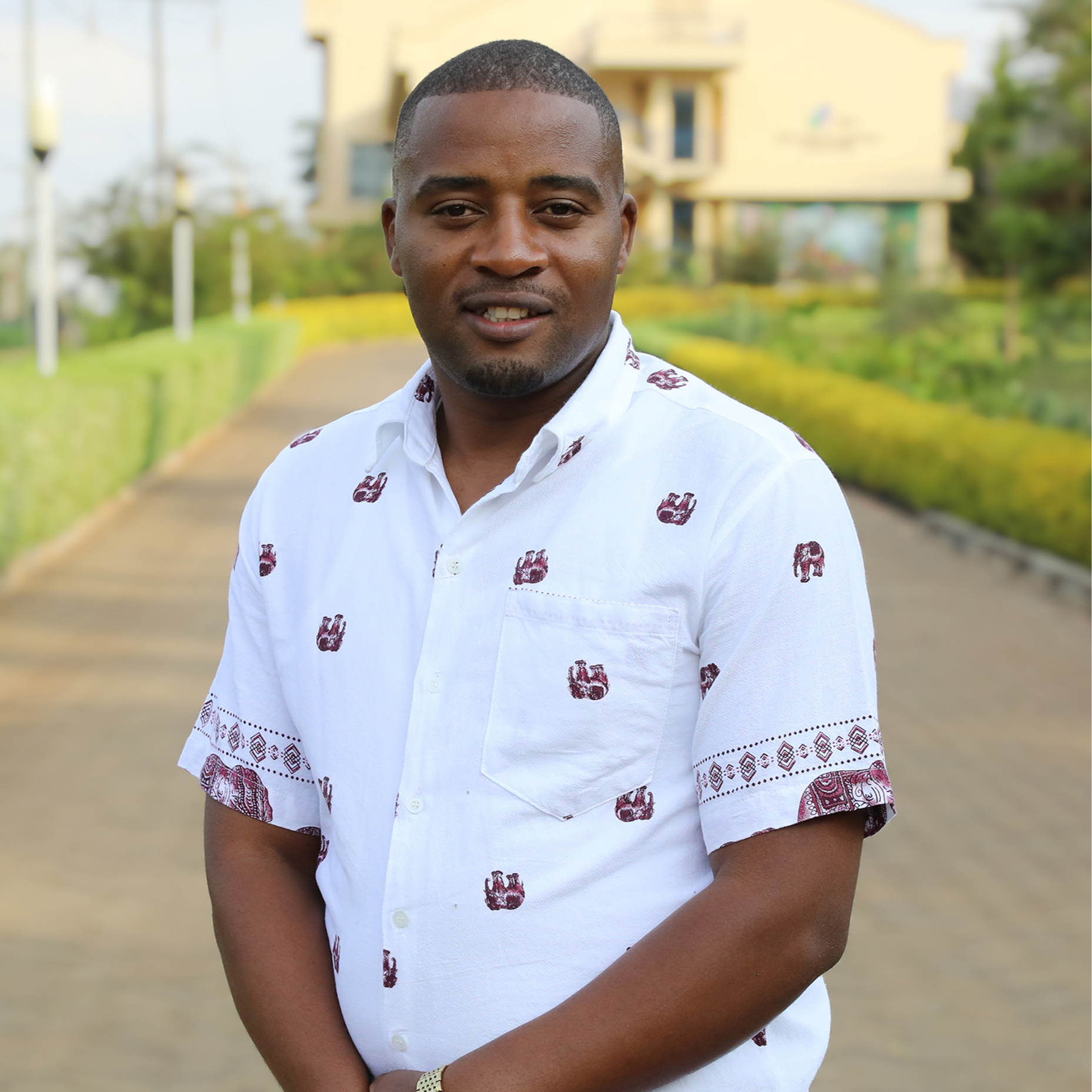
Dennis Beesigamukama

EN: Dennis Beesigamukama

Postdoctoral Fellow, ICIPE

Dr. Beesigamukama is a Postdoctoral fellow at the International Centre of Insect Physiology and Ecology (ICIPE), Kenya. His research focuses on refining and diversifying frass fertilizer production technologies and understanding the impacts of insect-composted organic fertilizers on soil health and crop productivity in different agroecological zones. 

Dr. Beesigamukama was selected by the international jury panel for the Award.

Inspiring Educator:

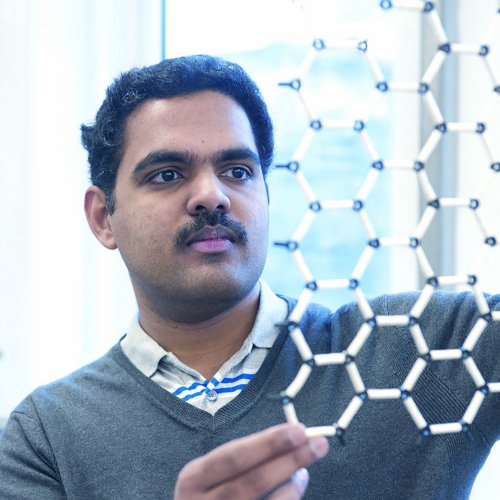
Rahul Nair

EN: Rahul Nair

Professor of Materials Physics, Manchester University

Prof. Nair is one of the world’s foremost graphene membrane scientists and led a breakthrough that could revolutionize access to clean water. His team developed a graphene-oxide membrane that precisely sieves salt out of seawater, making desalination dramatically more efficient. This technology promises life-changing impacts: it can bring low-cost water filtration to countries unable to afford large desalination plants, potentially supplying safe drinking water to millions and helping cities adapt to climate change-induced water stress.

Prof. Nair was selected for the award via the vote of the MATE student body.

Award Ceremony & Lectures

EN: Event Details

12th of March, 2026: Award Ceremony & Gala Dinner

The University would be pleased to welcome you to the first ever Anthropocene Award Ceremony

  • 16:00 Registration opens. Please take your seats by 16:45.
  • 17:00 Rector's Welcome
  • 17:30 Laureates introduce their work and their academic journey (3x20 minutes)
  • 18:30 Award Ceremony
  • 19:00 Buffet-style dinner is served in the Aula

Dress code: business attire or traditional. The event is open to MATE students, employees, partners and invited VIP guests. Places are available on a first-come, first-served basis, so register now to secure your place for the Award Ceremony & Dinner! The event will be held in the Aula building of Szent István Campus (Gödöllő, Páter Károly u. 1, 2100).

11th, 12th & 13th of March, 2026: Lectures by the Laureates

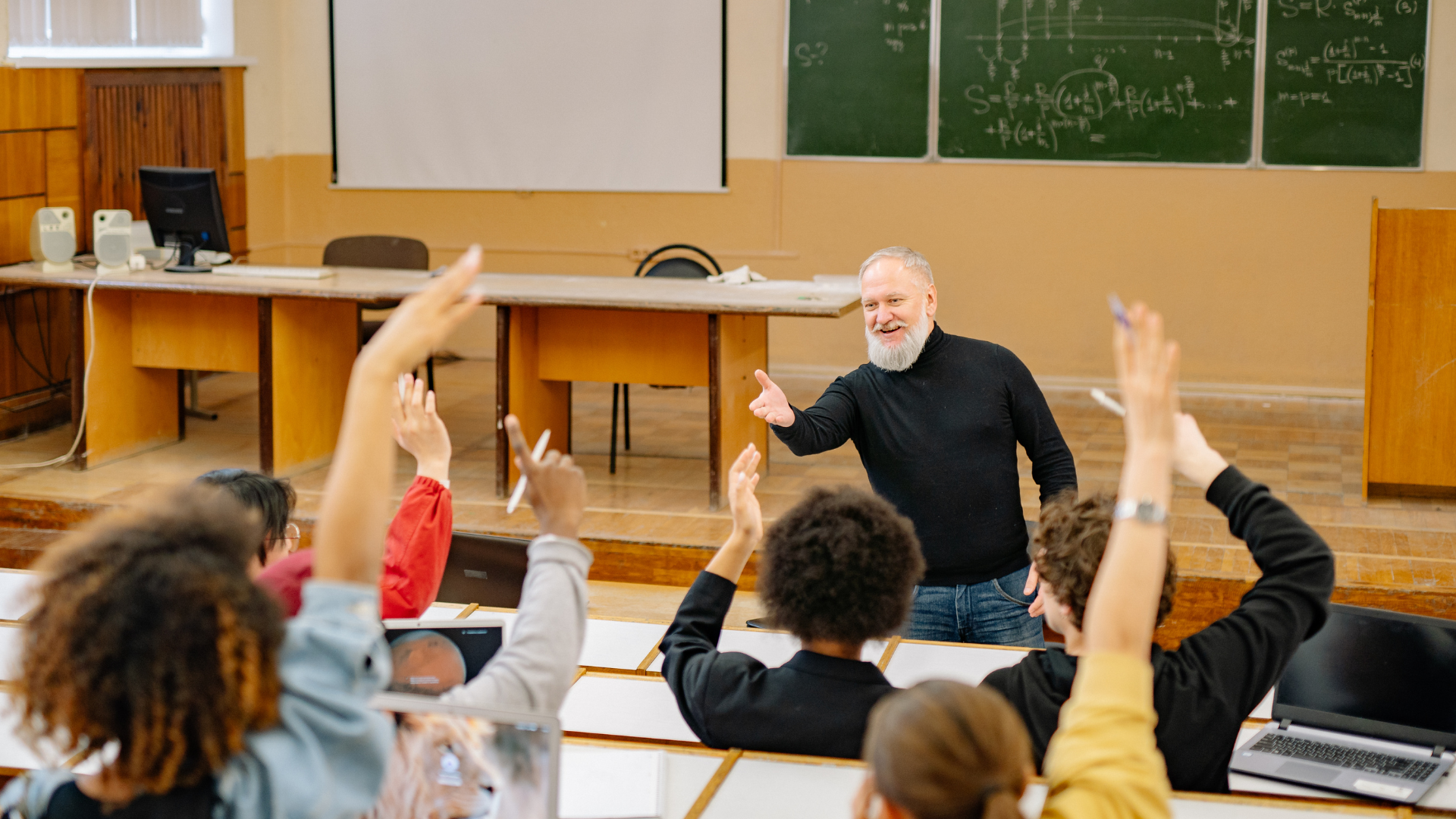
Each Laureate of the Award will hold a lecture during their visit where they introduce their work in much more detail. The lecture titles will be announced soon! This is a great opportunity for students from these fields to engage much more deeply with the work of these exceptional researchers.

  • March 11th, 11:00-12:00: Dr. Dennis Beesigamukama
  • March 12th, 11:00-12:00: Prof. Rahul R. Nair
  • March 13th, 11:00-12:00: Prof. Klaus Butterbach-Bahl

All lectures will be held in V. Lecture Theater, Aula Building, Szent István Campus (Gödöllő, Páter Károly u. 1, 2100). Please take your place by 10:50.

Award Categories

Lifetime Academic Achievement

Honoring a world-leading researcher  for outstanding and sustained professional achievement that has an impact on the entire scientific field and for a significant contribution to the development of the scientific community.

Emerging Academic (under 40 years old)

Recognizing an outstanding early- or mid-career researcher whose work stands out among their peers, and whose future scientific work is expected to play an important role in their field, based on their early, promising professional contributions.

Inspiring Educator

Celebrating a researcher who inspires the University's student community with their outstanding scientific communication, enthusiasm and dedication, thereby making teaching and research careers more attractive. The winner is chosen by MATE’s student community.

About the Host

EN: The Anthropocene Award - The host

The Hungarian University of Agriculture and Life Sciences (MATE) is one of Central Europe’s leading institutions in agriculture and life sciences. With more than 12,500 students and a diverse research portfolio, MATE plays a key role in driving sustainability and innovation in the region’s agri-food systems and rural development. Guided by its long-term strategy, MATE2030, the University is committed to advancing the green transition in Hungary and beyond. This ambition is realized through flagship initiatives built around the central theme of resilience—from agriculture and technological innovation to ecological systems and social resilience. Through its initiatives, MATE seeks to connect science, practice, and education, while building a foundation for long-term international collaboration.